Potassium Cyanide Powder: Understanding a Highly Toxic Chemical Compound
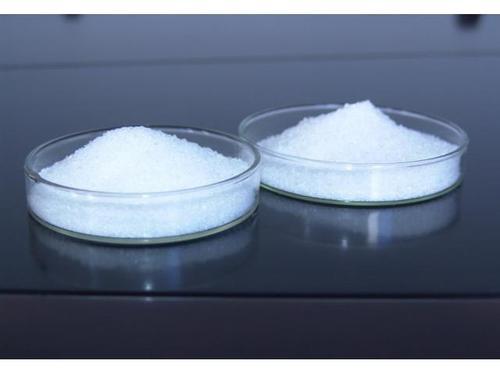
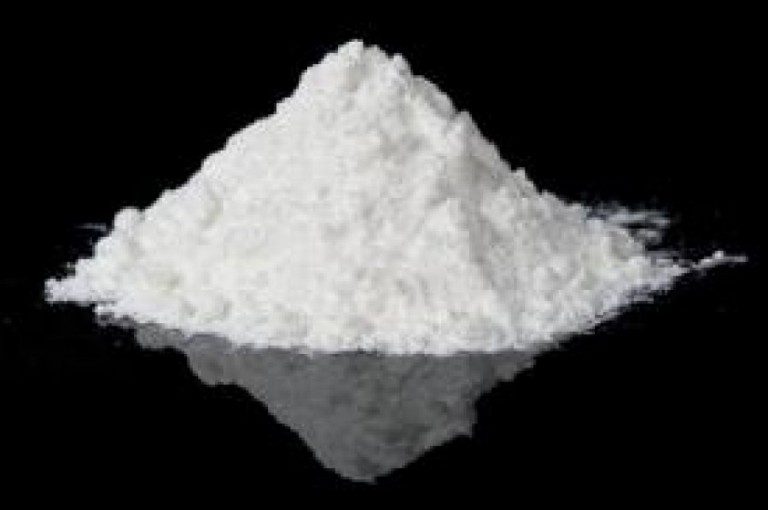
Potassium Cyanide (KCN) powder is a highly toxic, inorganic chemical compound most often encountered as a white crystalline powder or granules. Infamous for its rapid and often fatal effects on living organisms, it is a substance of extreme hazard that requires stringent handling and control.
Chemical Composition and Properties
Chemically, Potassium Cyanide is a salt formed from potassium, carbon, and nitrogen. Its chemical formula is KCN. In its pure form, KCN is a white solid that is highly soluble in water, which significantly contributes to its rapid absorption and distribution within the body upon exposure.
While some sources describe a faint bitter almond-like odor associated with cyanide compounds, it is crucial to understand that not everyone can detect this smell due to a genetic trait. Furthermore, attempting to smell KCN is incredibly dangerous due to its high volatility and toxicity, making odor an unreliable and unsafe indicator of its presence.
The Mechanism of Its Extreme Toxicity
The extreme toxicity of potassium cyanide stems from its ability to disrupt cellular respiration, the fundamental process by which cells generate energy from oxygen. When KCN enters the body (through ingestion, inhalation, or skin absorption), the cyanide ion (CN⁻) rapidly binds to the iron atom in cytochrome c oxidase, a vital enzyme located in the mitochondria of cells.
This binding effectively shuts down the electron transport chain, preventing cells from utilizing oxygen to produce adenosine triphosphate (ATP), the body’s primary energy currency. This leads to rapid cellular hypoxia (lack of oxygen), essentially suffocating the cells at a metabolic level, even when oxygen is abundant in the bloodstream. Organs highly dependent on oxygen, such as the brain and heart, are particularly vulnerable, leading to swift organ failure and death.
Industrial Applications and Strict Regulation
Despite its deadly nature, potassium cyanide has specific, highly controlled industrial applications. It is primarily used in:
- Gold and Silver Mining: KCN is used in the cyanidation process to extract precious metals from ore.
- Electroplating: It serves as an electrolyte in certain electroplating processes.
- Organic Synthesis: As a chemical reagent in various laboratory and industrial synthetic pathways.
- Analytical Chemistry: Used in specific analytical tests.
These applications are strictly regulated globally, nationally, and locally. The production, storage, transport, and use of potassium cyanide are subject to stringent permits, safety protocols, and oversight by authorities such as the EPA and OSHA in the United States, to prevent accidental exposure and misuse.
Conclusion: A Substance of Grave Danger
Potassium Cyanide powder is a potent, fast-acting poison that poses an immense threat to human health and life. Even a small amount can be lethal, with symptoms of acute poisoning appearing rapidly and progressing quickly to severe illness and death. Due to its inherent dangers, it is not a substance for public access or untrained individuals under any circumstances. Its legitimate uses are confined to specialized industrial settings where extreme caution, protective equipment, and strict adherence to safety protocols are paramount.