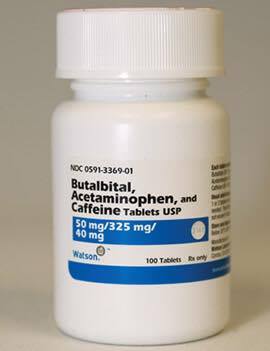
Buy Butabarbital For Sale
Butabarbital (also known as butabarbital sodium) is a short- to intermediate-acting barbiturate historically used as a sedative and hypnotic. Although barbiturates have largely been replaced by safer and more modern medications—such as benzodiazepines and non-benzodiazepine sleep aids—there remain certain instances in clinical practice where butabarbital can be useful. Its effects are primarily due to its enhancement of the inhibitory neurotransmitter GABA (gamma-aminobutyric acid), which reduces central nervous system (CNS) activity.
When administered responsibly and under medical guidance, butabarbital can provide specific therapeutic benefits. Understanding these advantages requires considering both its pharmacologic effects and its highly regulated role in modern medicine.
1. Medical Uses of Butabarbital
a. Short-term treatment of insomnia
One of the primary traditional uses of butabarbital is the short-term management of insomnia, particularly difficulty with sleep onset. Because it produces sedation, reduces anxiety, and slows CNS activity, it can help individuals fall asleep more readily. Physicians typically prescribe it only when other safer treatments have failed or are not suitable, and always for brief periods to minimize the risk of dependence.
b. Preoperative sedation
Before medical procedures or minor surgeries, patients may experience significant anxiety or restlessness. Butabarbital has been used as a preoperative sedative to calm the patient and facilitate a smoother induction of anesthesia. Its predictable onset and duration of action make it useful for preparing the patient for medical interventions that require them to be relaxed but not yet under full anesthesia.
c. Sedative for acute anxiety
Although barbiturates are no longer commonly used for chronic management of anxiety disorders, butabarbital may be used in limited, short-term situations where acute sedation is necessary and where other medications are unsuitable. This use is highly restricted due to risks associated with barbiturate sedatives, but its calming effect can help control severe situational anxiety in monitored settings.
d. Management of certain seizure conditions (historically)
Before modern antiepileptic drugs were developed, barbiturates—including butabarbital—played a role in seizure management. Today, this is largely historical, as better and safer anticonvulsants exist. However, the drug’s anticonvulsant properties contribute to the understanding of its neurological effects and may still be referenced in specialized contexts.
2. Potential Benefits When Used Appropriately
Though barbiturates are not first-line medications today, they offer unique properties that can be beneficial in specific controlled circumstances.
a. Reliable sedative and hypnotic effects
Butabarbital’s most notable benefit is its predictable, reliable CNS depressant effect. When administered in controlled doses, it can effectively induce sleep or sedation with consistent results. This reliability is one reason why barbiturates were widely used for decades before safer classes emerged.
b. Rapid onset of action
Compared with some alternative sedatives, butabarbital tends to work relatively quickly. This can be especially helpful in situations where immediate calming or sedation is required—such as preoperative environments or acute episodes of insomnia.
c. Useful for patients who cannot tolerate other sedative classes
Some individuals may experience problematic side effects from benzodiazepines, non-benzodiazepine hypnotics, or other sedatives. In rare cases where alternative medications are contraindicated, butabarbital may serve as a backup option, offering sedation when other treatments are not viable.
d. Long history of clinical use
Because Butabarbital has been used for many decades, its pharmacokinetics, interactions, and side-effect profile are well documented. This extensive clinical history can make its effects more predictable in certain patient populations compared with newer medications, even though those alternatives generally have safer profiles.
3. Advantages in Controlled Clinical Settings
a. Effective for managing acute, short-term symptoms
For short-term insomnia, anxiety before surgery, or acute agitation, butabarbital can provide fast, effective relief. Its advantages diminish and risks increase with long-term use, so its value lies specifically in brief, targeted treatment.
b. Controlled dosing allows precise sedation levels
In medical environments, clinicians can regulate dosage to achieve a specific level of sedation—light, moderate, or deep—depending on the need. This can be advantageous before procedures, during diagnostic tests requiring patient stillness, or when acute sedation is necessary for safety.
c. Calming effects that reduce physiological stress
Sedation with butabarbital lowers physiological arousal, muscle tension, and heightened stress responses. In situations where stress exacerbates a medical condition, this calming effect can be beneficial if applied cautiously.
4. Important Considerations
Any discussion of benefits must acknowledge that:
-
Butabarbital carries significant risks of dependence, tolerance, overdose, and withdrawal.
-
It must be used only under direct medical supervision.
-
Modern alternatives are typically safer and preferred.
-
Long-term or unsupervised use is dangerous.
Butabarbital role in modern medicine is limited, but in carefully selected scenarios—such as preoperative sedation, short-term insomnia, and acute anxiety—its predictable sedative effects can offer meaningful benefit. When used responsibly, under strict medical oversight, and for brief periods, it provides reliable calming and hypnotic effects. Its advantages lie not in broad or long-term use, but in its targeted application within well-controlled clinical contexts, where its pharmacologic actions can support patient comfort, safety, and procedural success.