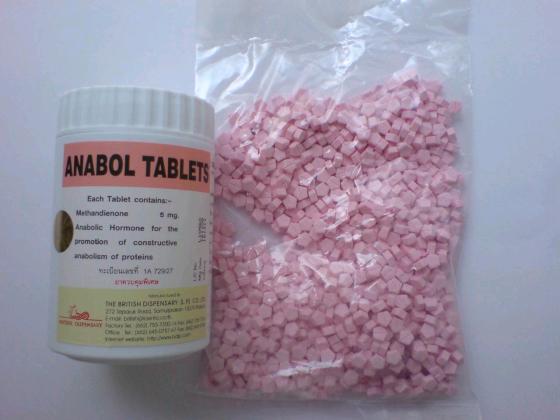
Anabol 5 mg (Methandienone)
Anabol 5 mg is a brand name for methandienone (also known as Dianabol), a synthetic anabolic-androgenic steroid (AAS). Methandienone is derived from testosterone and was first developed in the 1950s to promote muscle growth and recovery in clinical settings. While it became widely known for athletic performance enhancement, its original medical applications were focused on treating conditions associated with muscle wasting, hormonal deficiency, or severe weight loss. Understanding its legitimate uses, pharmacological benefits, and historical advantages provides insight into the role of anabolic steroids in medicine.
1. Medical Uses of Anabol (Methandienone)
a. Treatment of muscle wasting disorders
Methandienone was originally prescribed to patients experiencing cachexia—severe muscle wasting caused by chronic illness such as:
-
Cancer
-
Severe infections
-
Chronic kidney disease
-
Chronic obstructive pulmonary disease (COPD)
By promoting protein synthesis, it helped patients regain muscle mass, maintain strength, and improve mobility, which could directly impact quality of life and survival.
b. Hypogonadism and testosterone deficiency
In male patients with hypogonadism or low testosterone, methandienone provided androgenic support. It could help restore:
-
Secondary sexual characteristics (muscle mass, facial/body hair)
In some historical contexts, anabolic steroids were used when natural testosterone production was insufficient or delayed.
c. Recovery after severe trauma or surgery
Patients recovering from major surgeries, burns, or severe injuries sometimes received anabolic steroids to accelerate wound healing and tissue repair. Methandienone promotes nitrogen retention and protein synthesis, which are critical for recovery from extensive tissue damage.
d. Treatment of chronic osteoporosis (historical use)
Because of its anabolic effects on bone tissue, methandienone was occasionally studied for managing osteoporosis in men, particularly when combined with calcium and vitamin D supplementation. While no longer a first-line therapy, this illustrates its role in maintaining skeletal integrity.
2. Pharmacological Benefits and Mechanism of Action
Methandienone exerts its effects through two main pathways:
-
Anabolic activity (muscle building) – It increases protein synthesis and nitrogen retention, which are essential for muscle growth and repair.
These mechanisms explain why methandienone was historically valued in clinical medicine for promoting muscle mass, strength, and metabolic support.
a. Promotion of lean body mass
By increasing protein synthesis and nitrogen retention, methandienone can help prevent muscle catabolism in patients suffering from:
-
Severe weight loss due to systemic disease
This effect was clinically relevant for improving mobility, independence, and overall health outcomes.
b. Enhanced recovery and physical function
Patients recovering from surgery, trauma, or prolonged illness benefited from faster recovery of strength and stamina, which helped reduce complications related to prolonged bed rest or immobility.
c. Positive effects on bone density
The androgenic properties contribute to maintaining bone mineral density, which reduces fracture risk in men with low testosterone or muscle wasting.
3. Advantages of Methandienone in Clinical Context
a. Oral administration
Unlike injectable testosterone preparations, Anabol 5 mg offered the convenience of oral dosing, which improved compliance in patients unable or unwilling to receive injections.
b. Rapid onset of anabolic effects
Methandienone acts more quickly than some other androgenic therapies, which is advantageous when rapid improvement in muscle mass or functional strength is desired in clinical scenarios.
c. Historical clinical experience
Due to decades of medical use, methandienone’s pharmacokinetics and dose-response relationships were well understood by clinicians. This knowledge allowed careful titration and monitoring for therapeutic purposes.
d. Support for overall metabolic health
Beyond muscle growth, methandienone can improve nitrogen balance, protein metabolism, and physical resilience, contributing to better outcomes in critically ill or malnourished patients.
4. Safety Considerations
Methandienone, like all anabolic steroids, carries potential risks that limit its modern clinical use:
-
Hepatotoxicity – Oral anabolic steroids can stress the liver.
-
Cardiovascular effects – Potential for hypertension, lipid abnormalities, and increased risk of heart disease.
-
Hormonal suppression – Exogenous steroids can suppress natural testosterone production.
-
Androgenic side effects – Acne, hair loss, and virilization in women.
Due to these concerns, methandienone is rarely used in modern clinical practice, with safer alternatives preferred for most indications.
Anabol 5 mg (methandienone) was historically a valuable tool in medicine for promoting muscle growth, enhancing recovery, and supporting patients with hormonal deficiencies or severe wasting conditions. Its pharmacological advantages—rapid onset, oral dosing, and anabolic potency—allowed clinicians to address serious health challenges related to malnutrition, trauma, and hypogonadism. While its use in contemporary medicine is limited due to safety concerns and the availability of safer therapies, methandienone remains an important part of the history of anabolic steroid therapy and a case study in balancing therapeutic benefits against potential risks.