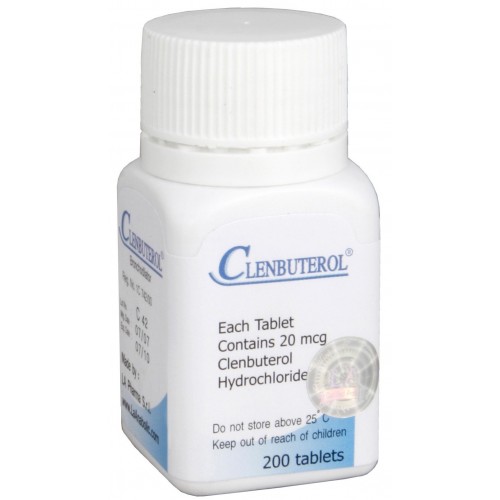
Clenbuterol 20 mcg
Clenbuterol is a medication belonging to a class of drugs known as beta‑2 adrenergic agonists, compounds that relax smooth muscle in the airways. Although it is often discussed online for its stimulant and metabolic effects, most countries do not licence Clenbuterol for human use and restrict it to veterinary medicine, especially for treating respiratory conditions in horses. Nevertheless, the drug is widely known due to its off‑label misuse, typically in the context of bodybuilding or weight‑control. Understanding its legitimate uses, the effects often attributed to it, and the significant safety considerations is essential for informed decision‑making.
Legitimate Medical Uses
In regions where Clenbuterol is permitted for human use (a small number of countries in Latin America and Eastern Europe), its approved indication is typically the treatment of asthma and chronic obstructive pulmonary disease (COPD). As a beta‑2 agonist, Clenbuterol helps relax airway muscles, allowing improved airflow. This is similar in mechanism to drugs like salbutamol (albuterol), though Clenbuterol has a much longer duration of action.
When prescribed medically, doses are generally kept low, sometimes around 20–40 mcg, depending on a patient’s condition and tolerance. In these medical settings, the goal is not fat‑loss or performance enhancement, but rather bronchodilation, to ease breathing and reduce airway constriction.
Metabolic and Physiological Effects (Why It’s Misused)
Clenbuterol gained notoriety because of its stimulant and thermogenic effects. These arise from the drug’s ability to increase beta‑2 receptor activity in muscle and fat cells. While these mechanisms do occur, the degree to which they translate into practical, safe, or sustainable benefits is often exaggerated.
Below are the commonly claimed effects—explained in scientific terms—along with critical perspective regarding their reliability and safety.
1. Thermogenesis and Energy Expenditure
Clenbuterol can increase metabolic rate by stimulating the sympathetic nervous system. This causes a rise in body temperature, heart rate, and calorie expenditure. In theory, this may contribute to fat loss, but in practice the effect is variable, often short‑lived, and accompanied by significant side effects.
2. Appetite Suppression
Some users report reduced appetite due to the drug’s stimulant nature. This is not a stable or predictable effect and may depend heavily on personal sensitivity to stimulants.
3. Muscle Preservation
Clenbuterol has been studied in animals for potential anti‑catabolic effects. However, research in humans is limited and inconsistent. Claims of muscle‑preserving or muscle‑building effects are not conclusively supported in medical literature.
4. Enhanced Workout Stimulation
Clenbuterol acts similarly to other stimulants, sometimes increasing perceived energy and alertness. This is not a therapeutic benefit and comes with cardiovascular risks such as elevated blood pressure and arrhythmias.
Perceived Advantages (Contextualised Safely)
These “advantages” reflect reasons people often misuse Clenbuterol. It is crucial to evaluate them with clear disclaimers regarding safety:
1. Long Duration of Action
Unlike many stimulants that require multiple dosings per day, Clenbuterol’s long half‑life means that a single 20 mcg dose can last many hours. While convenient in a medical setting for asthma, this increases risk of prolonged side effects.
2. Powerful Bronchodilation
For individuals with respiratory conditions in countries where Clenbuterol is legally prescribed, it can offer sustained improvement in breathing and reduced airway resistance.
3. Noticeable Sympathetic Activation
Some users report increased energy, alertness, and physical drive. From a purely pharmacological standpoint, this is consistent with how beta‑agonists stimulate the nervous system. However, these effects often come with jitters, heart palpitations, anxiety, and elevated cardiac risk.
4. Rapid Onset
Clenbuterol acts quickly, making it effective as a bronchodilator in medical contexts. This is one of its legitimate therapeutic advantages when used under prescription.
Safety, Risks, and Critical Considerations
Clenbuterol is not approved for human use in many countries because of its risk profile. Potential side effects include:
-
fast or irregular heartbeat
-
high blood pressure
-
tremors and severe nervousness
-
insomnia
-
headaches
-
electrolyte imbalances
-
heart enlargement (cardiac hypertrophy) with prolonged misuse
-
risk of cardiac arrhythmias
Because its effects strongly stimulate the cardiovascular system, combining Clenbuterol with caffeine or other stimulants can dramatically increase health risks.
Moreover, products sold online or in gyms labelled as “Clenbuterol 20 mcg” often come from unregulated sources, making dose accuracy and purity unreliable.
Conclusion
Clenbuterol 20 mcg has legitimate medical uses as a bronchodilator in some countries, providing benefits such as improved airflow and long-lasting relief from respiratory constriction. Outside its approved contexts, it is often misused for its thermogenic and stimulant effects. Understanding both the pharmacological mechanisms and the very real risks is crucial. Clenbuterol is not a safe shortcut to weight loss or performance enhancement, and in many regions, its sale for human use is illegal due to the dangers associated with misuse.