What is Orlos
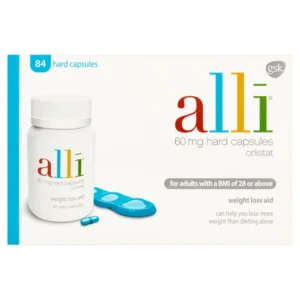
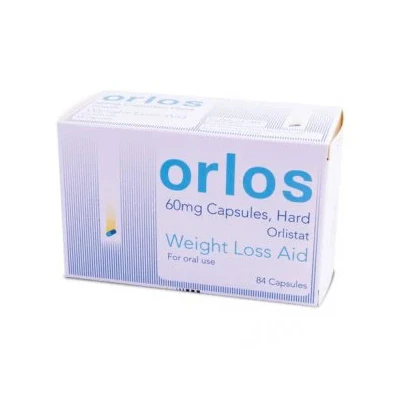
Orlos is a licensed weight‑loss aid whose active ingredient is Orlistat (60 mg per capsule). It belongs to a class of medications known as lipase inhibitors, which reduce the absorption of dietary fat. Orlos is intended for overweight adults (typically those with a body‑mass index, BMI, above a certain threshold — often BMI ≥ 28).
Unlike some appetite‑suppressant medications, Orlos does not reduce feelings of hunger. Instead, it works in the digestive tract, preventing a portion of the fat in consumed meals from being absorbed into the body, thus reducing total caloric uptake.
How Orlos Works — Mechanism of Action
When you eat a meal containing fat, your body typically uses enzymes called lipases to break down fat so it can be absorbed. Orlistat — the active substance in Orlos — irreversibly binds to these lipases, blocking their action. As a result, a significant portion of the fat from that meal (often around 25–30%) is not broken down and absorbed — instead it remains undigested and is excreted in the stool.
Because fat provides a high number of calories per gram, blocking fat absorption reduces overall caloric intake. When combined with a calorie‑controlled, low‑fat diet and regular physical activity, this can support weight loss and improved metabolic health.
Intended Uses of Orlos
Orlos is marketed and used for:
-
Weight Loss — helping overweight or obese adults reduce body weight.
-
Weight Maintenance / Preventing Weight Regain — after initial weight loss, continued use (combined with healthy lifestyle) can support maintenance of a lower weight. Many chronic obesity‑management guidelines treat orlistat as a long-term aid for maintenance.
-
Improved Metabolic Health — by helping reduce fat intake and assisting fat loss, Orlos may support better lipid profiles, reduce fat mass, and lower certain health risks associated with overweight and obesity (though effects depend heavily on accompanying diet and lifestyle).
Benefits & Advantages of Orlos
1. Clinically Proven to Enhance Weight Loss Over Diet Alone
Evidence and product data show that Orlos can help people achieve greater weight loss than dieting and exercise alone. Some sources indicate that users may lose 50% more weight when combining Orlos with a reduced-calorie, lower-fat plan than dieting alone.
Clinical trials of orlistat (the same active ingredient) have shown meaningful reductions in body weight over months, often translating into 5–10% of body weight lost over ~6 months, when combined with lifestyle modifications.
2. Works by Blocking Fat Absorption Non‑Stimulant, Non‑Appetite Suppressing
Because Orlos doesn’t suppress appetite, it doesn’t rely on stimulants or cause significant effects on mood, wakefulness, or heart rate (unlike some older weight‑loss drugs). The fat-blocking mechanism is more predictable and acts in the digestive tract rather than altering brain chemistry.
This tends to make it a safer option for people who want to avoid the psychiatric or cardiovascular side effects associated with stimulant-based weight-loss products.
3. Encourages Healthier Eating Habits
Since Orlos works only when meals contain fat — and because consuming high-fat meals when on orlistat tends to cause digestive side effects — many users become more aware of their fat intake. This can encourage lower-fat, healthier, home-cooked meals, promoting long-term behavioural changes rather than crash dieting.
This “fat awareness” may lead to better nutrition choices, improved meal planning, and long-term improvements to dietary habits — which help sustain weight loss and overall health.
4. Supports Long-Term Weight Management
Orlos can be used not only for initial weight loss, but also for weight maintenance — helping prevent weight regain. For many people, that is the most challenging phase after diet‑induced weight reduction. The fat-blocking mechanism gives an ongoing assist if the user maintains a controlled diet and active lifestyle.
5. Affordable and Accessible (in Regions Where It’s Approved)
As a generic orlistat product, Orlos is often more affordable than branded alternatives, while offering the same active ingredient and mechanism. This improves accessibility and makes sustained use more feasible for many individuals seeking long-term weight management.
Considerations for Safe and Effective Use
-
Because Orlos reduces fat absorption, it can also reduce absorption of fat‑soluble vitamins (A, D, E, K). Many providers recommend taking a daily multivitamin supplement (preferably at bedtime, away from the orlistat dose) if using Orlos long-term.
-
The drug works only if meals contain fat; therefore, skipping meals or having very low/no-fat meals means the dose isn’t needed.
-
Orlos tends to work best when combined with moderate-fat, calorie‑controlled diet and regular physical activity — lifestyle components remain critical for sustained results.
Why Some Users Prefer Orlos Over Other Weight‑Loss Options
-
It offers gradual, sustainable weight loss rather than quick-fix extreme measures — making it easier to integrate into long-term lifestyle.
-
Because it doesn’t suppress appetite or require stimulants, side effects are usually limited to digestive changes, which many find manageable when adopting a low-fat diet.
-
It supports not only weight loss but also education and behavior change around eating habits, fat intake, and meal composition — more like a “tool” than a “crutch.”
-
Long-standing clinical use and evidence-based data support its safety and efficacy when used correctly under defined conditions.
What Orlos Offers (and What It Requires)
Orlos (Orlistat 60 mg) provides a scientifically supported, mechanism-based aid for weight loss and weight management in overweight adults. Its advantages come from targeting fat absorption rather than appetite or metabolism, thereby offering a safer, more controlled path to weight reduction. When used responsibly — with a balanced, lower-fat diet, calorie control, lifestyle changes, and possibly a multivitamin — Orlos can help individuals lose more weight than dieting alone, maintain their weight loss, and develop healthier long-term eating habits.