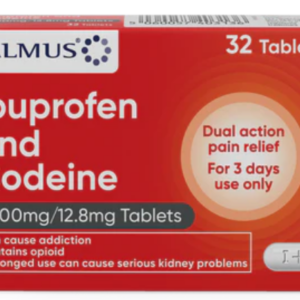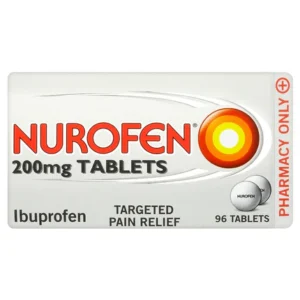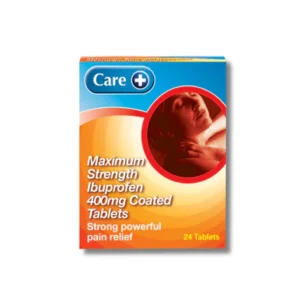
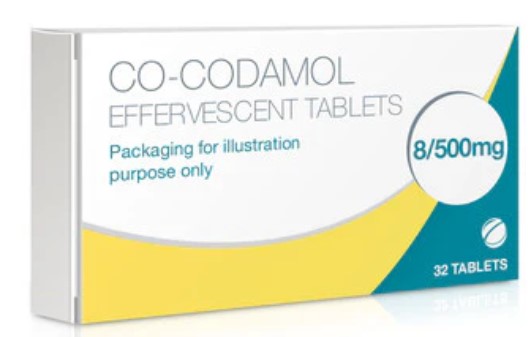
What is Co‑codamol 8/500 Effervescent
Co‑codamol combines two active ingredients: Codeine phosphate (8 mg) and Paracetamol (500 mg).
-
Paracetamol works as a painkiller (analgesic) and fever reducer (antipyretic).
-
Codeine is a “weak” opioid analgesic; once ingested, the body metabolizes some of it into morphine, which helps relieve pain.
The “effervescent” form means the tablets dissolve in water, producing a fizzy drink. This can make ingestion easier (especially if swallowing pills is difficult) and may aid absorption. According to the official product information, Co‑codamol 8/500 effervescent tablets are indicated for short‑term treatment of acute moderate pain when simpler analgesics (paracetamol or ibuprofen alone) are insufficient.
Main Uses
Co‑codamol 8/500 effervescent is used to relieve a variety of painful, often acute conditions, including:
-
Muscular or rheumatic pain — sprains, strains, backache, joint pain, etc.
-
Headache or migraine — when simpler painkillers haven’t provided relief.
-
Neuralgia or nerve‑related pain — sharp, stabbing pain along nerve paths.
-
Dental pain, toothache — for situations where over-the-counter simple analgesics might not suffice.
-
Period pain (“dysmenorrhea”) and other menstrual discomfort — when associated pain is moderate to severe.
-
Pain associated with colds, flu, sore throat, general aches — sometimes used when paracetamol alone or NSAIDs are inadequate for relief.
In short: acute moderate pain — especially when simpler analgesics don’t provide adequate relief.
Benefits and Advantages
1. Enhanced Pain Relief (Synergistic Effect)
Because Co‑codamol combines a “mild opioid” (codeine) and paracetamol, it can relieve pain that is not adequately managed by paracetamol or NSAIDs alone. Codeine’s opioid‑derived effect treats pain centrally (in the brain and spinal cord), while paracetamol offers peripheral relief and fever reduction. This combination often offers stronger and more effective pain relief than either component alone.
2. Versatility — For Many Types of Pain
Because of its dual‑mechanism, Co‑codamol covers a wide variety of painful conditions: musculoskeletal pain, nerve pain, dental pain, period pain, headaches, etc. This versatility makes it a go‑to option when a single simple painkiller isn’t enough.
3. Ease of Use — Effervescent Formulation
The effervescent form dissolves in water, producing a drink rather than a pill. This can make it easier to swallow, helpful for those who have difficulty with solid tablets. Dissolved medications may also be absorbed more rapidly. The effervescent format may be more agreeable for patients with sore throats or recovering from dental procedures.
4. Fast Onset and Reasonable Duration
According to patient‑information sources, Co‑codamol usually begins to work within about 1 hour and continues to relieve pain for around 5 hours.
This means it can provide relatively rapid relief when needed — helpful for acute pain flares.
5. Option When Simple Analgesics Fail
For many mild-to-moderate pains, over-the-counter paracetamol or ibuprofen may suffice. But if those do not help, Co‑codamol offers a step‑up in pain control before resorting to stronger opioids or prescription-only painkillers. This makes it a useful “intermediate” option — stronger than simple analgesics, but generally milder than stronger opioids (when used correctly, short-term).
6. Flexible Dosing (Short-Term)
The usual guidance allows up to two effervescent tablets every 4–6 hours as needed, with a maximum of 8 tablets per 24 hours.
This flexibility lets users tailor relief as required helpful in variable pain conditions like intermittent toothache, migraine, or muscle pain.
Why Many People Choose Co‑codamol Effervescent
Co‑codamol 8/500 effervescent can be especially useful when:
-
Pain is moderate but persistent, and simple analgesics haven’t worked.
-
A non‑pill, easy‑to-swallow format is preferred (effervescent drink).
-
A variety of painful conditions (muscle, dental, menstrual, headache) occur, so a single, versatile medication simplifies management.
-
Rapid onset of pain relief is desired — for example, before sleep, after dental work, or during acute flare-ups.
-
There’s a desire to avoid stronger opioids or high‑dose painkillers until absolutely necessary — Co‑codamol serves as a “middle‑ground.”
Important Medical Considerations and Responsible Use
Because Co‑codamol contains an opioid (codeine) and paracetamol, properly responsible use is critical:
-
It is meant for short-term use only (usually not more than 3 days) unless a doctor advises otherwise.
-
Risk of dependency / tolerance: Codeine can lead to dependence or withdrawal symptoms if used continuously over longer periods.
-
Avoid other paracetamol products concurrently, to prevent overdose and liver damage.
-
Use with caution for people with respiratory problems (e.g., asthma, COPD), severe liver or kidney disease, or history of substance use.
-
Some common side effects (from codeine) may include: drowsiness, dizziness, nausea, constipation.
-
Because codeine can impair alertness or coordination, patients should avoid driving or operating heavy machinery until they know how the medicine affects them.
When used correctly lowest effective dose, short duration, under medical guidance — Co‑codamol remains a valuable option for managing moderate pain.