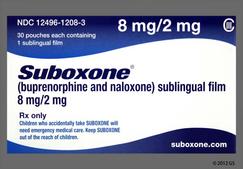
Suboxone (Buprenorphine & Naloxone 8mg/2mg)
Suboxone is a combination medication consisting of buprenorphine, a partial opioid agonist, and naloxone, an opioid antagonist. This formulation is primarily prescribed for the treatment of opioid use disorder (OUD) in adults and adolescents over 16 years of age. By leveraging the pharmacological actions of both components, Suboxone provides a controlled and safer approach to managing opioid dependence, reducing withdrawal symptoms, and supporting long-term recovery.
The standard 8mg/2mg dose is one of the commonly prescribed strengths, offering effective symptom management while minimizing potential risks associated with higher doses.
1. Primary Use: Treatment of Opioid Use Disorder
Opioid addiction is a complex and chronic condition characterized by compulsive opioid use, tolerance, and withdrawal symptoms upon discontinuation. Suboxone is FDA-approved as part of medication-assisted treatment (MAT) programs. Its main objectives are:
-
Suppression of withdrawal symptoms: Buprenorphine binds to opioid receptors, partially activating them to alleviate withdrawal without producing the full euphoric effects of opioids like heroin or oxycodone.
-
Reduction of cravings: Maintaining stable receptor activity helps reduce psychological urges to use opioids.
-
Prevention of relapse: Combined with counseling and behavioral therapy, Suboxone helps patients maintain recovery and reintegrate into daily life.
2. Mechanism of Action and Benefits
Buprenorphine: Partial Agonist
Buprenorphine acts as a partial agonist at the mu-opioid receptor. This means:
-
It produces sufficient receptor activation to reduce withdrawal symptoms and cravings.
-
It has a ceiling effect, limiting the risk of respiratory depression even at higher doses.
-
It is long-acting, allowing for once-daily dosing in most patients, which improves adherence.
Naloxone: Opioid Antagonist
Naloxone is included to deter misuse:
-
If Suboxone is taken sublingually as prescribed, naloxone has minimal absorption and no significant clinical effect.
-
If someone attempts to inject it, naloxone rapidly blocks opioid receptors, producing withdrawal symptoms and reducing the potential for abuse.
Clinical Benefits
-
Improved patient safety: Reduced risk of overdose compared to full opioid agonists.
-
Stabilized recovery: Smooths the transition from illicit opioid use to medically managed treatment.
-
Convenience: Long-acting formulation supports outpatient treatment programs, reducing the need for frequent clinical visits.
3. Advantages Compared to Other Treatments
1. Lower Risk of Respiratory Depression
Unlike full opioid agonists (e.g., methadone, heroin), buprenorphine’s partial agonist activity has a ceiling effect, which reduces the risk of life-threatening respiratory depression.
2. Reduced Abuse Potential
The naloxone component in Suboxone discourages intravenous misuse. This dual action makes Suboxone safer than buprenorphine alone for outpatient use.
3. Flexible Treatment Setting
Suboxone can be prescribed in an office-based setting, allowing patients to receive treatment without daily visits to specialized clinics. This flexibility improves access and retention in therapy programs.
4. Evidence-Based Effectiveness
Clinical studies demonstrate that Suboxone:
-
Significantly reduces opioid use and relapse rates.
-
Improves treatment retention compared to non-pharmacologic interventions alone.
-
Supports psychosocial rehabilitation when combined with counseling and behavioral therapies.
5. Support for Long-Term Recovery
Suboxone is not just for short-term detoxification. With proper monitoring, patients may continue on a maintenance regimen for months or years, facilitating long-term stability and quality of life improvements.
4. Additional Considerations
Improved Quality of Life
Patients treated with Suboxone often report:
-
Better mental and emotional stability
-
Reduced legal and social consequences associated with illicit opioid use
-
Enhanced ability to maintain employment and family relationships
Integration with Holistic Care
Suboxone is most effective when used alongside counseling, peer support, and psychosocial interventions. This integrated approach addresses both the physiological and behavioral aspects of addiction.
Global Recognition
Suboxone is included in the World Health Organization’s List of Essential Medicines for opioid dependence, highlighting its importance in public health strategies for managing opioid crises worldwide
Suboxone 8mg/2mg is a cornerstone medication in the treatment of opioid use disorder. Its combination of buprenorphine and naloxone offers a unique balance of efficacy, safety, and abuse deterrence. By alleviating withdrawal symptoms, reducing cravings, and lowering the risk of overdose, it supports patients on the path to recovery while enabling flexible, outpatient-based care.
The medication’s advantages—including long-acting action, ceiling effect safety, and integration into holistic treatment programs—make Suboxone one of the most widely recommended tools for opioid dependence. When used under qualified medical supervision, it not only saves lives but also provides patients with the opportunity to rebuild their health, relationships, and societal participation.