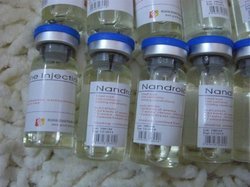
What is Pentobarbital (Nembutal Sodium)? A Comprehensive Guide
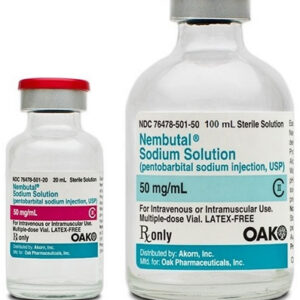
Pentobarbital Sodium, often recognized by its former brand name Nembutal, is a potent short-acting barbiturate that acts as a central nervous system (CNS) depressant. Historically a widely used medication, its applications have become significantly more restricted due to the development of safer alternatives and its high potential for abuse, dependence, and fatal overdose.
This comprehensive guide will delve into what Pentobarbital Sodium is, how it works, its historical and current uses, associated risks, and its legal status.Nembutal drug classification
1. Definition and Drug Class
Pentobarbital Sodium is a barbiturate. Barbiturates are a class of drugs that depress the activity of the central nervous system, leading to effects ranging from mild sedation to general anesthesia and death. They achieve this by enhancing the activity of a neurotransmitter called gamma-aminobutyric acid (GABA), which is the primary inhibitory neurotransmitter in the brain. By boosting GABA’s effects, Pentobarbital slows down brain activity, producing sedative, hypnotic (sleep-inducing), and anticonvulsant properties.Nembutal drug classification
2. How Does Pentobarbital Sodium Work? (Mechanism of Action)
The primary mechanism by which Pentobarbital Sodium exerts its effects is through its interaction with the GABA-A receptor complex in the brain. Specifically, Pentobarbital binds to an allosteric site on the GABA-A receptor, distinct from the site where GABA binds. This binding prolongs the opening of chloride ion channels, allowing more chloride ions to enter the neuron. The influx of negatively charged chloride ions hyperpolarizes the neuron, making it less excitable and thus reducing neuronal activity.
This widespread reduction in CNS activity leads to:
- Sedation: Decreased arousal and anxiety.
- Hypnosis: Induction and maintenance of sleep.
- Anticonvulsant Effects: Suppression of seizure activity.
- Respiratory Depression: Slowing down of breathing, particularly at higher doses.
3. Historical and Current Medical Uses
Pentobarbital Sodium has a complex history of medical applications:
Historically (Mid-20th Century):
- Insomnia: Widely prescribed as a sleeping pill.
- Anxiety: Used as an anxiolytic (anti-anxiety medication).
- Pre-anesthetic Sedation: To relax patients before surgery.
- Anticonvulsant: For the treatment of seizures, particularly status epilepticus (prolonged seizures).
- Narcoanalysis (“Truth Serum”): Occasionally used in psychiatric settings, though its efficacy in eliciting truthful confessions is highly debated and largely discredited.
Current Medical Uses (Significantly Restricted): Due to its narrow therapeutic window (the difference between an effective dose and a toxic dose) and high potential for overdose and dependence, Pentobarbital’s medical uses are now far more limited. Modern medicine typically favors benzodiazepines and newer hypnotic drugs which have a better safety profile.
Current approved uses generally include:
- Emergency treatment of acute convulsive seizures associated with status epilepticus.
- Pre-anesthetic medication in specific surgical contexts.
- Short-term treatment of insomnia when other medications have failed, under strict medical supervision.
- Palliative Sedation: In some end-of-life care scenarios, to relieve intractable suffering, under strict ethical guidelines.
- Physician-Assisted Suicide (PAS) / Euthanasia: In jurisdictions where it is legal, Pentobarbital is often the drug of choice for its rapid and relatively peaceful induction of coma and death. This is a highly regulated and sensitive application.
4. Non-Medical and Controversial Applications
Beyond its medical use, Pentobarbital Sodium has become associated with several non-medical and highly controversial applications:
- Capital Punishment (Lethal Injection): In the United States, Pentobarbital has been used as one of the drugs in lethal injection protocols for executions. This use has faced significant ethical and legal challenges, contributing to drug shortages for this purpose.
- Recreational Misuse: Due to its sedative and euphoric effects, Pentobarbital has a high potential for recreational abuse. This often leads to addiction, dependence, and a significant risk of accidental overdose, especially when combined with other CNS depressants like alcohol or opioids.
- Self-Euthanasia (Illegal): Outside of legally sanctioned physician-assisted suicide, Pentobarbital has been illegally sought and used by individuals attempting self-euthanasia, often obtained through illicit channels.
5. Important Warnings and Precautions
The use of Pentobarbital Sodium comes with significant risks that necessitate strict medical supervision:
- Risk of Dependence and Addiction: Patients can quickly develop physical and psychological dependence on Pentobarbital.
- Withdrawal Symptoms: Abrupt discontinuation after prolonged use can lead to severe and potentially life-threatening withdrawal symptoms, including seizures, delirium, hallucinations, and tremors.
- Respiratory Depression: It is a potent respiratory depressant. Even therapeutic doses can slow breathing, and high doses can cause respiratory arrest and death.
- Impaired Judgement and Motor Skills: It can impair the ability to drive or operate machinery.
- Interaction with Other CNS Depressants: Combining Pentobarbital with alcohol, opioids, benzodiazepines, or other sedatives dramatically increases the risk of severe respiratory depression, coma, and death.
- Paradoxical Excitement: In some individuals, particularly the elderly or those with pain, barbiturates can cause unexpected agitation, excitement, or confusion instead of sedation.
- Pregnancy and Breastfeeding: It can cause harm to a fetus and is excreted in breast milk, potentially affecting the infant.
- Elderly and Debilitated Patients: These individuals are more sensitive to the effects of barbiturates and are at higher risk of adverse effects.
- Liver and Kidney Impairment: Patients with these conditions metabolize and excrete the drug more slowly, increasing the risk of toxicity.Nembutal drug classification
6. Side Effects
Common side effects of Pentobarbital Sodium include:
- Drowsiness, sedation, lethargy
- Dizziness, lightheadedness
- Headache
- Nausea, vomiting
- Constipation
- Residual sedation (hangover effect)
More serious side effects can include:
- Severe respiratory depression
- Hypotension (low blood pressure)
- Bradycardia (slow heart rate)
- Allergic reactions (skin rash, hives, swelling)
- Hypersensitivity reactions (e.g., angioedema)
- Paradoxical excitement or agitation
- Mental confusion, hallucinations
- Liver damage (rare)
- Agranulocytosis or other blood dyscrasias (rare)
7. Overdose
In essence, Pentobarbital overdose is a medical emergency and can be fatal. Symptoms of an overdose may include:
- Profound drowsiness, stupor, or coma
- Severe respiratory depression, leading to shallow or absent breathing
- Hypotension (dangerously low blood pressure)
- Bradycardia (slow heart rate)
- Hypothermia (low body temperature)
- Pulmonary edema (fluid in the lungs)
- Absent reflexes
- Non-reactive pupils
- Cyanosis (bluish discoloration of skin and lips due to lack of oxygen)
- Circulatory collapse and death
Moreover, Immediate medical attention is crucial in cases of suspected overdose. Treatment typically involves supportive care, maintaining an open airway, assisted ventilation, and measures to support blood pressure and circulation. There is no specific antidote for barbiturate overdose.
8. Legal Status and Regulation
Initially, In the United States, Pentobarbital Sodium is classified as a Schedule II controlled substance under the Controlled Substances Act. This classification indicates that the drug has:
- A high potential for abuse.
- A high potential for severe psychological or physical dependence.
- Currently accepted medical uses, though restricted.
Also, Due to this classification, its production, distribution, and prescription are subject to stringent regulations. It is only available by prescription from a licensed healthcare professional, and pharmacies must adhere to strict dispensing rules.
Conclusion
More so,Pentobarbital Sodium (Nembutal) is a powerful barbiturate with a long history in medicine. While it once held a prominent place in treating insomnia, anxiety, and seizures, its use has significantly declined due to its narrow safety margin, high potential for dependence, and the availability of safer drugs.
Furthermore, Its current medical applications are highly specific and often reserved for critical situations or end-of-life care in certain legal frameworks.
In addition, The profound risks associated with Pentobarbital, particularly regarding overdose, addiction, and severe interactions with other substances, underscore the imperative for its use to be strictly controlled and administered only under direct medical supervision.
In effect, Its ongoing controversial applications in capital punishment and physician-assisted suicide highlight its potent and irreversible effects.
Therefore, Understanding the comprehensive profile of Pentobarbital Sodium is crucial for both healthcare professionals and the public, emphasizing caution and respect for its powerful pharmacological actions. Nembutal drug classification