Butalbital For Sale:
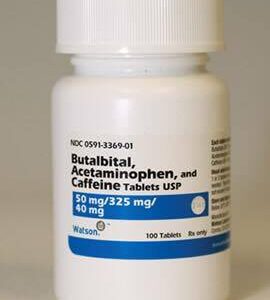
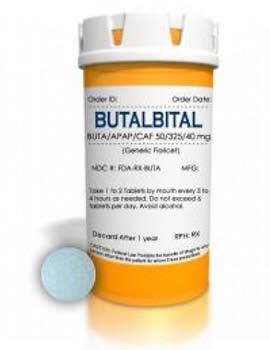
Butalbital is a short- to intermediate-acting barbiturate that has been used for many decades in the treatment of certain headache disorders. Most commonly, it is found in combination medications such as butalbital–acetaminophen–caffeine or butalbital–aspirin–caffeine, sometimes with the addition of codeine. Although its overall role in modern headache management has narrowed due to newer and safer alternatives, butalbital-containing products can still provide therapeutic benefit in specific, carefully selected situations and when prescribed responsibly by healthcare professionals.
1. Clinical Uses of Butalbital
a. Tension-type headaches
The primary and most established medical use of butalbital is the management of tension-type headaches, which are typically characterized by steady, pressure-like pain, often accompanied by muscle tightness in the scalp or neck. In these cases, butalbital’s sedative and muscle-relaxing properties can help reduce head and neck muscle tension, providing relief from the discomfort associated with these headaches.
b. Migraine treatment (limited and selective)
Although not considered a first-line treatment for migraine, butalbital-containing medications may be used in selected patients who do not respond adequately to other therapies. In certain acute migraine episodes, particularly those accompanied by significant muscle tension or when other medications have failed, the multimodal action of a butalbital-combination product may help reduce pain intensity. However, most clinical guidelines emphasize restricted and cautious use, due to risks such as medication-overuse headaches and dependence.
c. Relief of muscle-tension–associated pain
Because butalbital produces central nervous system (CNS) relaxation, some combination formulations may help relieve pain when muscle tension plays a contributing role. While not a broad muscle relaxant like some other medications, its sedative effects can indirectly ease discomfort related to stress and muscular contraction.
2. Therapeutic Benefits When Used Responsibly
When prescribed appropriately and taken exactly as directed, butalbital can provide several clinical benefits:
a. Rapid symptom relief
One of the notable advantages of butalbital-containing medications is the speed of relief. The sedative effect begins relatively quickly, helping patients experience faster improvement in headache intensity, especially when the headache is linked to stress or tension. In acute settings, this rapid onset can be meaningful for individuals who experience severe functional impairment during headache episodes.
b. Synergistic effect in combination products
Butalbital’s use in combination medications is intentional:
-
Acetaminophen or aspirin provides analgesic (pain-relieving) effects.
-
Caffeine enhances absorption and can improve the efficacy of analgesics.
-
Butalbital contributes sedation, anxiety reduction, and muscle relaxation.
This multimodal approach can create a synergistic effect, offering more comprehensive relief than each ingredient alone. For certain patients, this combination has been highly effective for occasional, short-term headache management.
c. Reduction of stress-related headache components
Because many tension-type headaches have a psychological or stress-related component, butalbital’s calming properties can help diminish the anxiety and irritability that often accompany headaches. This stress-relief aspect is not curative, but it can provide meaningful comfort during acute episodes.
d. Alternative option for patients with limited choices
Some patients cannot tolerate first-line agents such as triptans, NSAIDs, or certain preventive therapies due to medical contraindications or side-effect profiles. In these restricted clinical scenarios, carefully monitored butalbital use may be a viable fallback option, ensuring that patients are not left without any effective symptomatic treatment.
3. Advantages in Controlled, Short-Term Medical Settings
While butalbital is not without risks such as dependence, sedation, and medication-overuse headache there are specific advantages to its supervised, cautious use:
a. Predictable pharmacologic effects
Butalbital has been in medical use for decades, giving clinicians extensive knowledge of its effects, interactions, and appropriate dosing. This long clinical track record contributes to predictable outcomes when it is used correctly.
b. Utility in complex or refractory cases
For patients who experience refractory tension-type headaches headaches that do not respond to standard analgesics combination products with butalbital can sometimes provide the breakthrough relief that enables them to function, rest, or resume daily activities.
c. Valuable for episodic, not chronic, use
When used infrequently, such as a few times per month during severe episodes, butalbital can reduce symptom severity without necessarily leading to dependence or rebound headaches. The key advantage lies in judicious, limited use guided by a clinician.
Important Caveats
Any discussion of benefits must be balanced with clear understanding of limitations:
-
Butalbital carries a risk of dependence and should not be used on a daily or near-daily basis.
-
It can contribute to medication-overuse headaches if used too frequently.
-
It is a controlled substance, and use must follow strict medical supervision.
-
Safer alternatives often exist, especially for chronic headache management.
Butalbital can offer meaningful relief in the management of tension-type headaches and certain refractory headache disorders when prescribed thoughtfully and used sparingly. Its advantages rapid symptom reduction, synergistic effects within combination medications, and utility for patients with limited alternatives make it a valuable option in selected clinical circumstances. However, its benefits are inseparable from the need for careful medical oversight to ensure safe, appropriate use.