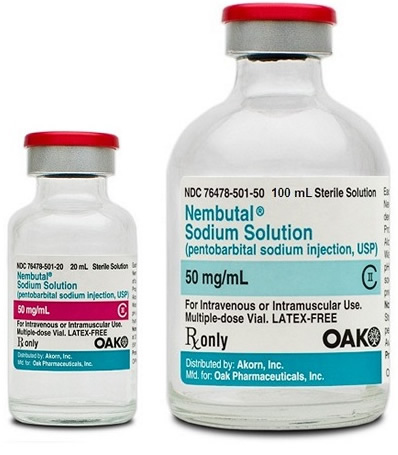
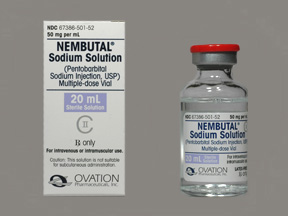
Pentobarbital Sodium (50 mg/mL)
Pentobarbital sodium is a short-acting barbiturate with strong central nervous system (CNS) depressant properties. Marketed under names such as Nembutal, it has been used for decades in human and veterinary medicine for applications that require predictable sedation, anesthesia, seizure control, or intensive care sedation. Although barbiturates have largely been replaced by safer drug classes in many areas, pentobarbital continues to have clearly defined and highly regulated roles in modern medicine because of its reliability, rapid action, and potent CNS-depressant effects. At a concentration of 50 mg/mL, the formulation is prepared for controlled administration by trained professionals.
1. Human Medical Uses
a. Treatment of refractory status epilepticus
One of the most important contemporary uses of pentobarbital is in the management of refractory status epilepticus, a life-threatening neurological emergency in which seizures do not respond to first- or second-line treatments. Pentobarbital can induce a deep, therapeutic coma, effectively suppressing abnormal electrical activity and giving the brain an opportunity to stabilize. In critical care settings, this can be lifesaving.
b. Induction of deep sedation in intensive care
In rare, severe cases requiring profound CNS suppression—such as control of intracranial pressure after traumatic brain injury—pentobarbital may be used for barbiturate coma therapy. By reducing metabolic demand and neuronal excitability, it helps protect brain tissue and stabilize patients when conventional sedatives are insufficient.
c. Short-acting anesthesia (historically more common)
Pentobarbital has been used as a general anesthetic, particularly in situations requiring rapid induction. Although newer anesthetics are safer and more predictable for most procedures, pentobarbital’s strong and quick hypnotic effects once made it a standard option for short surgical interventions.
2. Veterinary Medicine Uses
Pentobarbital remains widely used in veterinary practice because of its rapid, predictable action:
a. Induction of anesthesia in animals
Veterinarians may use pentobarbital for short procedures, laboratory animal anesthesia, or specific controlled settings where rapid sedation is needed.
b. Euthanasia (compassionate end-of-life care)
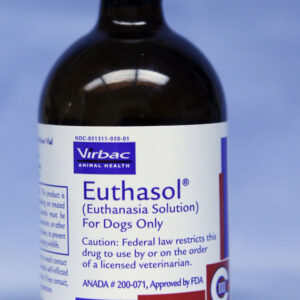
One of pentobarbital’s most important veterinary uses is in humane euthanasia, where its rapid induction of unconsciousness and cessation of cardiopulmonary activity allows a peaceful, painless passing for animals suffering from terminal or untreatable conditions.
3. Pharmacological Benefits and Advantages
When used appropriately under medical supervision, pentobarbital offers several clinical advantages that explain its ongoing relevance.
a. Rapid onset of action
Pentobarbital acts quickly when administered intravenously, producing sedation or anesthesia within seconds to minutes. In emergency medicine or critical care, this rapid effect is extremely valuable.
b. Predictable potency
Barbiturates have highly predictable pharmacodynamics. Clinicians understand the dose-response curve well, allowing precise control over sedation depth in a monitored environment. This is crucial in seizure suppression and coma induction.
c. Strong CNS depressant capability
Pentobarbital’s potency distinguishes it from milder sedatives. It can achieve levels of brain suppression necessary to stop severe seizures or dramatically reduce intracranial pressure—effects many modern sedative-hypnotics cannot reliably produce.
d. Neuroprotective effects in specific situations
By reducing cerebral metabolic demand, pentobarbital can limit secondary brain injury in certain neurological emergencies. Though not used routinely, this remains a significant advantage in select neurosurgical and neurocritical cases.
e. Long history of clinical experience
Because pentobarbital has been used for over half a century, clinicians have accumulated extensive knowledge about its mechanisms, effects, and risks. This long track record contributes to confidence in its use when modern alternatives are insufficient.
4. Considerations and Safety Context
It is essential to emphasize that pentobarbital is a highly controlled medication:
-
It causes profound respiratory and cardiovascular depression at high doses.
-
It has a narrow therapeutic window, meaning the difference between a therapeutic dose and a toxic dose is small.
-
It carries risks of dependence, withdrawal, and dangerous interactions with other CNS depressants.
-
Its use requires continuous monitoring, specialized equipment, and trained clinical personnel.
Because of these factors, pentobarbital is not used routinely in general medical practice, and safer sedatives are preferred for most conditions
Pentobarbital sodium 50 mg/mL remains an important tool in specialized medical and veterinary practice. Its rapid onset, predictable potency, and strong CNS depressant effects give it distinct advantages in the treatment of refractory seizures, induction of deep sedation in critical care, and veterinary anesthesia or humane euthanasia. Although its use is restricted due to safety concerns, pentobarbital continues to fill vital roles where alternative medications cannot provide the same degree of control or therapeutic effect. Its legacy and ongoing applications highlight both the power and the responsibility inherent in using potent CNS depressants in modern medicine.