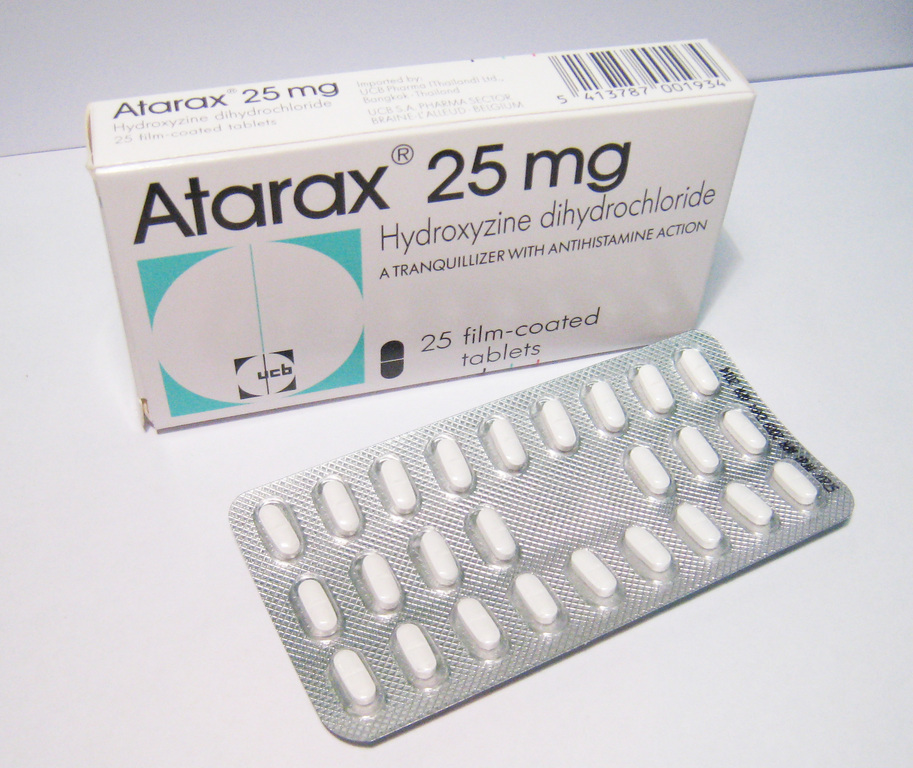
Atarax (Hydroxyzine) 25 mg
Atarax (Hydroxyzine) 25mg, containing hydroxyzine, is a first-generation antihistamine with notable anxiolytic, sedative, anti-allergic, and antiemetic properties. Unlike newer, non-sedating antihistamines, hydroxyzine can cross the blood-brain barrier, allowing it to exert effects on both the central nervous system (CNS) and peripheral histamine receptors. Because of this dual action, hydroxyzine is used in a variety of medical contexts, ranging from allergic reactions and itching to anxiety management and preoperative sedation. Its pharmacological versatility and relatively favorable safety profile make it a valuable therapeutic option when used under professional guidance.
1. Medical Uses of Atarax (Hydroxyzine) 25 mg
a. Management of anxiety and tension
Atarax (Hydroxyzine) 25mg is commonly prescribed for the short-term treatment of anxiety and tension. It is particularly useful for patients who may benefit from non-benzodiazepine anxiolytic therapy, including:
-
Generalized anxiety disorder (GAD)
-
Agitation associated with medical conditions
Atarax (Hydroxyzine) 25mg helps reduce symptoms such as nervousness, restlessness, and emotional tension without the dependence risks associated with benzodiazepines.
b. Sedative for insomnia
Atarax (Hydroxyzine) 25mg CNS depressant effect makes it effective in short-term management of insomnia, especially when sleep disturbances are anxiety-related. By promoting relaxation and reducing mental agitation, Atarax improves sleep onset and sleep quality without the more profound respiratory suppression associated with stronger sedatives.
c. Relief of allergic conditions
As an antihistamine, hydroxyzine blocks H1 receptors, helping treat symptoms of allergic conditions such as:
-
Pruritus (itching)
-
Other histamine-mediated skin reactions
This makes Atarax valuable for patients experiencing both physical discomfort and anxiety associated with chronic itching.
d. Preoperative and procedural sedation
Atarax (Hydroxyzine) 25mg is sometimes used in preoperative or procedural settings to reduce anxiety, induce mild sedation, and potentiate other anesthetics. This reduces stress-related physiological responses, including elevated heart rate and blood pressure, ensuring smoother procedures.
e. Antiemetic and motion sickness
Hydroxyzine can be used to prevent nausea and vomiting, particularly in cases of motion sickness or as part of postoperative care. Its anticholinergic effects contribute to this antiemetic benefit.
2. Benefits of Atarax (Hydroxyzine) 25 mg
a. Multi-purpose pharmacological action
Atarax offers a combination of anxiolytic, sedative, antihistamine, and antiemetic properties, providing broad-spectrum therapeutic benefits in a single medication. This versatility is especially helpful for patients experiencing multiple symptoms simultaneously, such as anxiety with allergic reactions.
b. Non-benzodiazepine anxiolytic
Hydroxyzine provides anxiety relief without the risk of benzodiazepine dependence, tolerance, or withdrawal symptoms, making it suitable for short-term management of anxiety in patients at risk for substance dependence.
c. Promotes sleep
By reducing anxiety and tension, hydroxyzine indirectly facilitates better sleep, helping patients overcome insomnia secondary to stress or emotional disturbances. Improved sleep contributes to cognitive function, mood regulation, and overall physical health.
d. Itch and allergy relief
By blocking histamine-mediated pathways, Atarax provides rapid relief from pruritus and allergic symptoms, improving patient comfort and reducing scratching or skin damage. This benefit is especially valuable in dermatological conditions where itching can interfere with daily activities and sleep.
3. Advantages of Atarax 25 mg
a. Oral administration
Hydroxyzine tablets provide convenient oral dosing, suitable for outpatient therapy. Tablets are easy to take, and dosing can be tailored based on patient age, symptom severity, and comorbid conditions.
b. Mild sedation with safety
Compared to benzodiazepines or stronger hypnotics, Atarax induces mild sedation, making it useful for anxiety relief and sleep promotion while generally maintaining a safer profile for short-term use.
c. Broad therapeutic versatility
Atarax is one of the few medications that addresses both mental health (anxiety, tension) and physical symptoms (itching, allergic reactions, nausea). This makes it particularly valuable in patients with comorbid conditions, reducing the need for multiple medications.
d. Favorable safety profile
When used as prescribed, hydroxyzine is generally well tolerated. Adverse effects are usually limited to drowsiness, dry mouth, and mild gastrointestinal discomfort. Serious effects are rare, particularly when dosing is appropriate and prolonged use is avoided.
e. Non-addictive alternative
Atarax offers an alternative to sedative-hypnotics and anxiolytics with minimal risk of dependence, making it a preferred choice for patients requiring short-term therapy or those at risk of substance misuse.
4. Safety and Monitoring
While Atarax is relatively safe, it should be used under professional supervision:
-
Sedation and impaired alertness: May affect driving or operating machinery.
-
Anticholinergic effects: Dry mouth, urinary retention, or constipation may occur.
-
Elderly caution: Older adults may be more sensitive to sedation and confusion.
-
Short-term use recommended for anxiety or insomnia: Long-term use may reduce effectiveness.
Atarax 25 mg (hydroxyzine) is a versatile and effective medication for managing anxiety, insomnia, allergic reactions, itching, and nausea. Its combination of anxiolytic, sedative, and antihistamine properties makes it uniquely valuable for patients with overlapping physical and psychological symptoms.
By providing rapid anxiety relief, improved sleep, and symptom control for allergies or pruritus, Atarax enhances quality of life and daily functioning. Its non-benzodiazepine profile offers an added advantage for patients seeking short-term relief with minimal risk of dependence, making it a widely respected choice in clinical practice for both mental and physical health management.