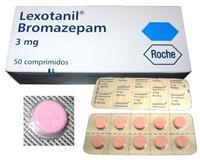
Lexotanil (Bromazepam 3 mg): Uses, Benefits, and Advantages
Lexotanil (Bromazepam) 3mg is a prescription medication containing bromazepam, a benzodiazepine widely used for its anxiolytic (anti-anxiety) properties. The 3 mg tablet is one of the most commonly prescribed doses, offering a balanced approach for patients requiring symptom relief while minimizing sedation and other side effects. Bromazepam acts on the central nervous system to enhance the activity of gamma-aminobutyric acid (GABA), a key inhibitory neurotransmitter, resulting in reduced neuronal excitability and a calming effect.
Lexotanil (Bromazepam) 3mg is used in a variety of clinical situations, ranging from acute anxiety episodes to generalized anxiety disorder, and it is valued for its predictable efficacy, tolerability, and flexible dosing.
1. Primary Therapeutic Uses
A. Management of Anxiety Disorders
Lexotanil (Bromazepam) 3mg is primarily indicated for short-term management of anxiety symptoms, including:
-
Generalized anxiety disorder (GAD)
Its anxiolytic effect helps patients regain emotional balance, reduce physical manifestations of anxiety (such as palpitations, muscle tension, and restlessness), and improve daily functioning.
B. Short-Term Relief of Panic Symptoms
Although bromazepam is not a first-line treatment for chronic panic disorder, it can be used under medical supervision for acute panic attacks or heightened anxiety episodes, providing rapid symptom relief.
C. Adjunct in Somatic Symptom Management
Patients with psychosomatic manifestations of anxiety, such as insomnia secondary to worry or tension headaches, may benefit from Lexotanil as part of a comprehensive therapeutic plan that includes counseling or cognitive-behavioral therapy (CBT).
D. Pre-Procedure Sedation
In certain cases, bromazepam may be prescribed to reduce preoperative anxiety or facilitate minor medical procedures. Its calming effects improve patient cooperation and reduce stress-related physiological responses, such as elevated heart rate and blood pressure.
2. Mechanism of Action and Clinical Benefits
A. GABA Modulation
Bromazepam binds to benzodiazepine sites on GABA-A receptors, enhancing GABAergic inhibition. This mechanism produces:
-
Anxiolytic effects: Reduces feelings of fear, nervousness, and tension.
-
Mild sedative effects: Helps patients relax without excessive drowsiness at lower doses.
-
Muscle relaxation: Beneficial for stress-related muscular tension.
B. Rapid Onset
Lexotanil typically has a relatively fast onset of action, often producing noticeable anxiolytic effects within 30–60 minutes. This rapid relief can be essential for patients experiencing acute or situational anxiety.
C. Predictable Duration
The pharmacokinetic profile of bromazepam ensures a stable therapeutic effect with minimal fluctuations, which helps maintain symptom control throughout the day.
3. Advantages Compared to Other Anxiolytics
A. Effective Low-Dose Option
The 3 mg dose allows physicians to start therapy conservatively, minimizing side effects such as excessive sedation or cognitive impairment while still providing therapeutic relief. This makes it particularly suitable for elderly or sensitive patients.
B. Versatility in Clinical Use
Lexotanil (Bromazepam) 3mg is flexible enough for:
-
Short-term treatment of acute anxiety
-
Adjunctive therapy in chronic anxiety disorders
-
Pre-procedure anxiolysis
Its versatility allows it to be tailored to different patient needs, improving adherence and outcomes.
C. Well-Established Safety Profile
Bromazepam has been in clinical use for decades, providing clinicians with robust data on efficacy and tolerability. When prescribed appropriately and for short durations, it is generally well-tolerated with minimal adverse effects.
D. Mild Muscle Relaxant Effect
Unlike some other anxiolytics, bromazepam offers gentle muscle relaxation, which can relieve tension-related headaches, shoulder stiffness, or other stress-induced musculoskeletal discomfort.
E. Compatibility with Psychotherapy
Lexotanil can be safely integrated into cognitive-behavioral therapy (CBT) or stress-management programs, helping patients achieve initial symptom control while learning long-term coping strategies.
4. Clinical Benefits Beyond Symptom Relief
Improved Quality of Life
Patients treated with Lexotanil often report:
-
Reduced emotional distress and irritability
-
Better sleep due to decreased nighttime anxiety
-
Improved concentration and productivity
-
Enhanced social functioning
By alleviating both psychological and somatic symptoms of anxiety, Lexotanil supports overall wellbeing.
Controlled Use for Safety
The 3 mg dose helps mitigate risks commonly associated with benzodiazepines, such as dependency, tolerance, and excessive sedation, especially when used short-term and under medical supervision.
Rapid Functional Improvement
Due to its fast onset, patients can experience functional benefits—returning to work, school, or daily activities—sooner than with slower-acting anxiolytics.
5. Overall Advantages
-
Effective anxiolytic at low doses, minimizing side effects.
-
Rapid onset provides timely relief for acute anxiety episodes.
-
Short-acting and flexible for individualized treatment plans.
-
Well-documented safety and tolerability, backed by decades of clinical use.
-
Adjunct to psychotherapy, enhancing long-term coping strategies.
-
Mild sedative and muscle-relaxing properties, supporting overall patient comfort.
Lexotanil (Bromazepam 3 mg) is a clinically valuable benzodiazepine for short-term management of anxiety disorders and related conditions. Its rapid onset, predictable efficacy, and low-dose flexibility make it suitable for a wide range of patients, including those who are sensitive to sedation. When used under proper medical supervision, it provides effective symptom relief, enhances quality of life, and supports broader therapeutic strategies such as cognitive-behavioral therapy. By combining efficacy with a well-established safety profile, Lexotanil remains a reliable option in the clinician’s arsenal for managing anxiety and its associated physical and emotional manifestations.