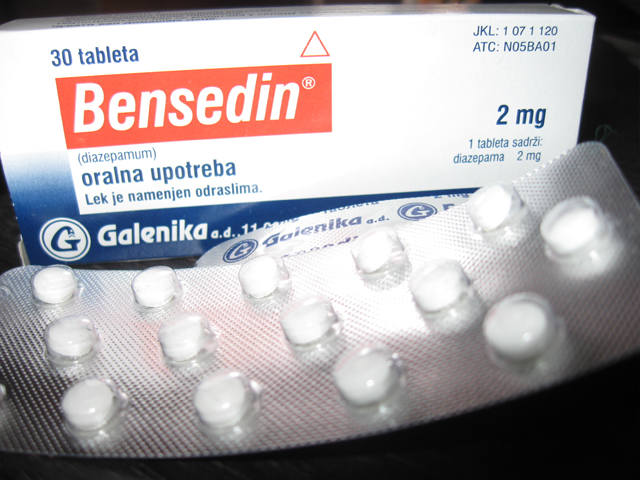
Bensedin (Diazepam 10 mg)
Bensedin (Diazepam) 10mg is a brand name for diazepam, a well-known benzodiazepine first introduced in the 1960s. Diazepam is widely prescribed for its anxiolytic, sedative, muscle-relaxant, and anticonvulsant properties. The 10 mg formulation is considered a standard therapeutic dose, offering effective symptom relief while allowing clinicians to adjust treatment as needed.
Diazepam acts on the central nervous system (CNS) by enhancing the inhibitory action of gamma-aminobutyric acid (GABA), the brain’s primary inhibitory neurotransmitter. This mechanism results in reduced neuronal excitability, producing a calming effect that addresses both psychological and physical symptoms associated with anxiety, muscle tension, and seizures.
1. Therapeutic Uses
A. Management of Anxiety Disorders
Bensedin (Diazepam) 10mg is commonly prescribed for short-term relief of anxiety and tension, including:
-
Generalized anxiety disorder (GAD)
-
Acute situational anxiety
-
Panic episodes
Its anxiolytic effects help patients regain emotional stability, improve focus, and reduce somatic manifestations such as palpitations, sweating, and restlessness.
B. Muscle Spasms and Spasticity
Bensedin (Diazepam) 10mg is effective in relaxing skeletal muscles, making it useful for conditions such as:
-
Muscle spasticity related to neurological disorders (e.g., multiple sclerosis, cerebral palsy)
-
Acute musculoskeletal injuries
-
Tension-related headaches
Muscle relaxation contributes to improved mobility, reduced pain, and enhanced overall comfort.
C. Seizure Control
Bensedin (Diazepam) 10mg is a key anticonvulsant and can be used for:
-
Management of status epilepticus (emergency seizure episodes)
-
Adjunctive therapy in chronic seizure disorders
Its rapid onset helps halt seizure activity effectively in acute settings.
D. Sedation Before Medical Procedures
Diazepam may be used to calm patients prior to surgical or diagnostic procedures, helping reduce anxiety, facilitate cooperation, and decrease physiological stress responses such as elevated heart rate and blood pressure.
E. Alcohol Withdrawal Management
Diazepam is sometimes prescribed to reduce withdrawal symptoms in patients undergoing detoxification from alcohol, including agitation, tremors, and risk of seizures.
2. Mechanism of Action and Clinical Benefits
A. GABA Modulation
Diazepam binds to benzodiazepine receptors on GABA-A receptors, enhancing the inhibitory effect of GABA. This produces:
-
Anxiolytic effects: Reduces fear, tension, and nervousness.
-
Sedative effects: Promotes calm and can assist with sleep disturbances related to anxiety.
-
Muscle relaxation: Reduces spasms and stiffness.
-
Anticonvulsant activity: Stabilizes neuronal excitability to prevent seizures.
B. Rapid Onset and Predictable Duration
Bensedin 10 mg typically takes effect within 30–60 minutes, allowing for prompt relief of anxiety, tension, or seizure activity. Its longer half-life (20–50 hours) provides sustained effects, which can be advantageous for symptom control, though clinicians balance this with the risk of daytime sedation.
C. Multi-Symptom Relief
One of diazepam’s key benefits is its ability to address multiple symptoms simultaneously, including psychological anxiety, muscle tension, and seizure activity, reducing the need for multiple medications in some cases.
3. Advantages Compared to Other Benzodiazepines
A. Versatility
Diazepam’s multiple therapeutic actions—anxiolytic, anticonvulsant, sedative, and muscle relaxant—make it one of the most versatile benzodiazepines in clinical practice.
B. Rapid Symptom Control
The fast onset of action allows for effective management of acute anxiety, panic attacks, or seizure emergencies, providing immediate patient relief.
C. Established Safety Profile
Bensedin has decades of clinical use, providing clinicians with a well-documented record of efficacy and tolerability when used appropriately. Short-term use under medical supervision is generally safe for most adults.
D. Dose Flexibility
The 10 mg tablet allows for dose titration, giving clinicians the ability to start at a lower dose or adjust for patient sensitivity, age, and coexisting conditions.
E. Complement to Other Therapies
Diazepam can be safely integrated with psychotherapy, physical therapy, or rehabilitation programs, enhancing outcomes for anxiety, spasticity, or withdrawal management.
4. Clinical Benefits Beyond Symptom Relief
Improved Quality of Life
Patients treated with Bensedin often report:
-
Reduced tension and irritability
-
Improved sleep quality
-
Enhanced ability to perform daily tasks
-
Greater emotional stability
Support in Emergency Situations
Diazepam’s rapid onset and multiple therapeutic effects make it invaluable in emergency settings, such as acute seizures or severe agitation, saving lives and preventing complications.
Patient Comfort and Compliance
The ability to manage anxiety, muscle tension, and seizures with a single medication improves patient compliance, reducing polypharmacy and simplifying treatment regimens.
5. Overall Advantages
-
Multi-purpose therapeutic action, covering anxiety, seizures, and muscle spasms.
-
Rapid onset provides timely symptom relief.
- Diazepam side effects
-
Well-established efficacy and tolerability, supported by decades of use.
-
Flexible dosing allows individualized treatment plans.
-
Integration with other therapies enhances holistic patient care.
-
Emergency utility, Diazepam side effects for seizures or acute agitation.
Bensedin (Diazepam 10 mg) is a versatile and effective benzodiazepine for managing a wide range of conditions, including anxiety disorders, muscle spasms, seizures, and procedural sedation. Its rapid onset, multi-symptom Diazepam side effects relief, and well-established safety profile make it a cornerstone in clinical practice. When used under proper medical supervision, it not only alleviates distressing symptoms but also enhances quality of life and supports broader therapeutic strategies. The 10 mg dose provides an effective balance of potency and flexibility, making it suitable for both short-term interventions and adjunctive therapy in chronic conditions.